
 16 Oct, 2026
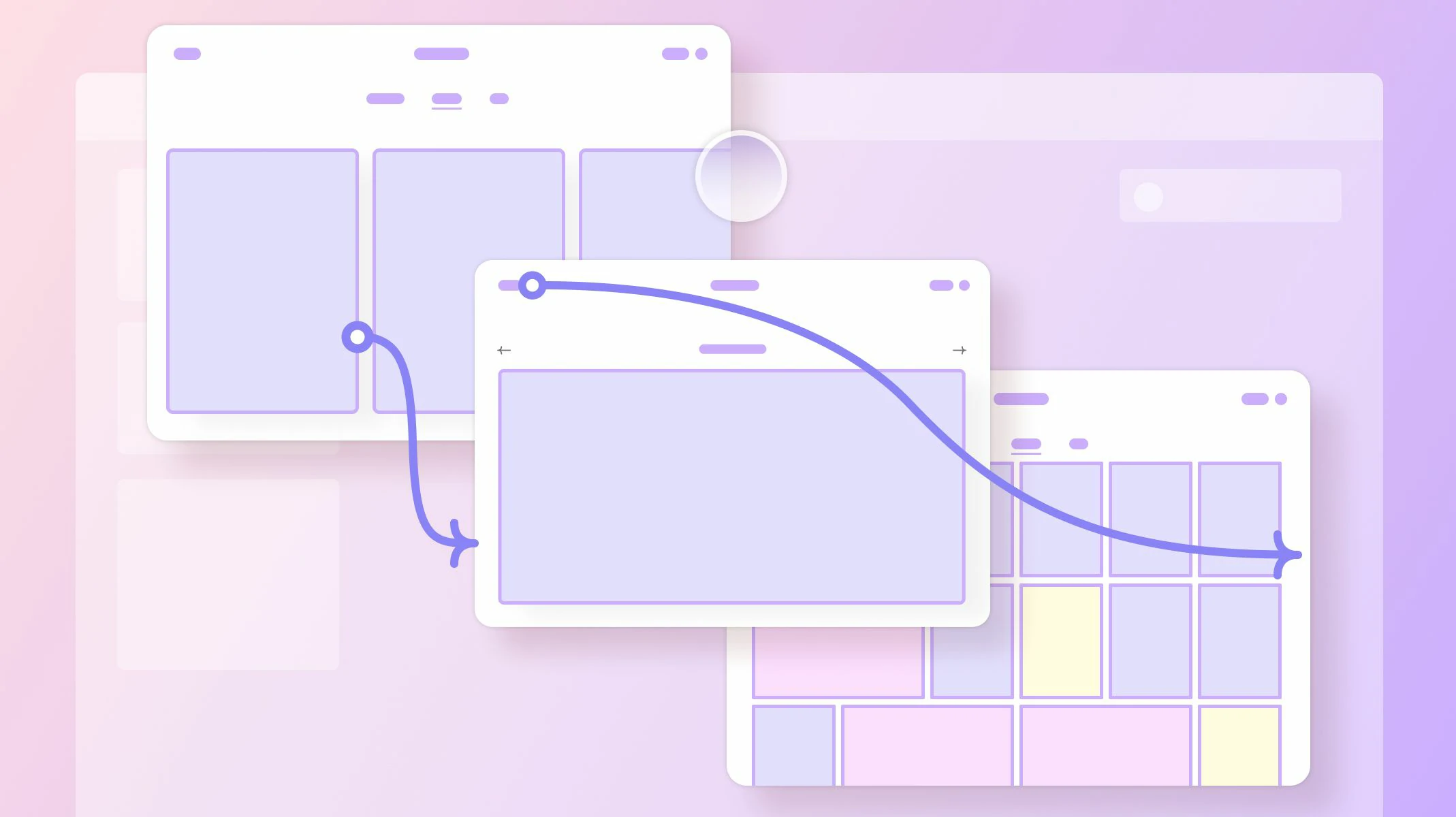
Prototyping and testing bridge the gap between imagination and reality. They allow teams to simulate features, validate concepts, and refine designs before any code is written. A prototype can be anything from a low-fidelity sketch to a fully interactive simulation, but the goal is the same: learn quickly, iterate intelligently, and reduce risk.
Testing ensures that every design choice works in practice. Instead of relying on opinions, teams rely on evidence from real user interactions. This creates products that perform well, minimize rework, and deliver value faster.
Why Prototyping & Testing Are Essential
These processes save time, reduce cost, and increase quality across the entire product lifecycle. Their benefits include:
- Immediate feedback: See how users react before committing to development.
- Rapid iteration: Quickly refine ideas based on real behavior.
- Error discovery: Identify usability problems early when they're easiest to fix.
- Better collaboration: Designers, developers, and stakeholders align on a shared vision.
- Higher confidence: Launch features that are validated—not experimental guesses.
Prototypes let you explore alternatives, and tests reveal the strongest version.
Technical Elements Behind Effective Prototyping
Modern prototyping and testing leverage a mix of tools and research methodologies:
- Low- and high-fidelity prototypes using Figma, Sketch, or interactive tools.
- A/B and multivariate testing to evaluate design variations.
- Task-based usability tests observing how users complete real workflows.
- Heatmaps, click tracking, and behavior analytics to measure performance.
- User feedback loops embedded into each iteration cycle.
Together, these steps ensure the final product is polished, intuitive, and user-proven.
Tyfora specializes in fast, accurate prototyping and testing cycles that reduce risk and accelerate time-to-market. Our designs are validated through real-world user behavior, ensuring your final product is both beautiful and effective.